
Result
Screen printing series on different materials
Handcrafted implementation of the previously developed motifs using the screen printing process.


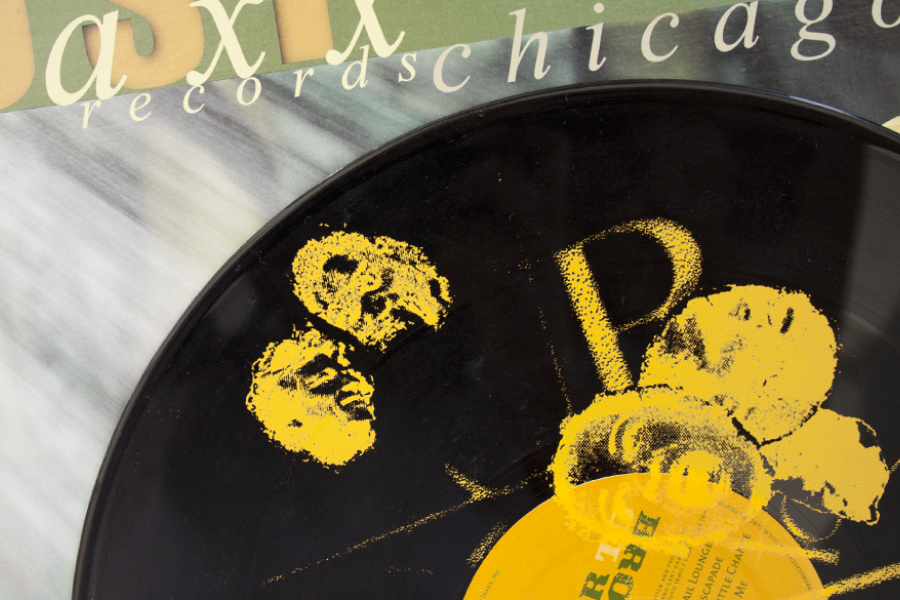
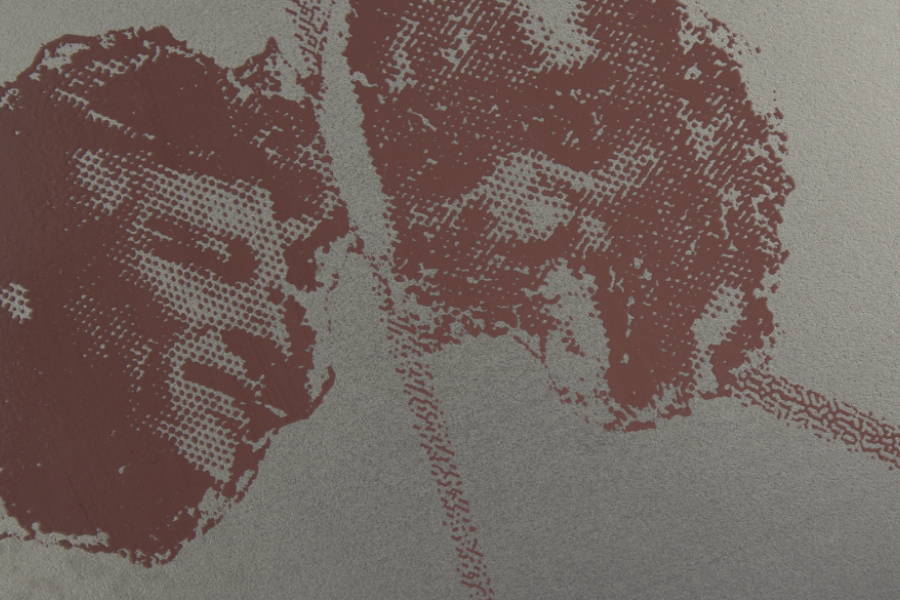


- Variety of materialsThe motifs were implemented on paper, wood, metal, records and textiles.
- Color variationsThe designs were created as single-color and multi-layered two-color prints.
- Haptic effectDifferent substrates created unique surface structures and tactile qualities.
Initial situation
Goal of the training
Design, visualization and realization in screen printing with a focus on materiality and experimental form finding. Jazz is chosen as the common theme because of its improvisation, dynamics and complexity.
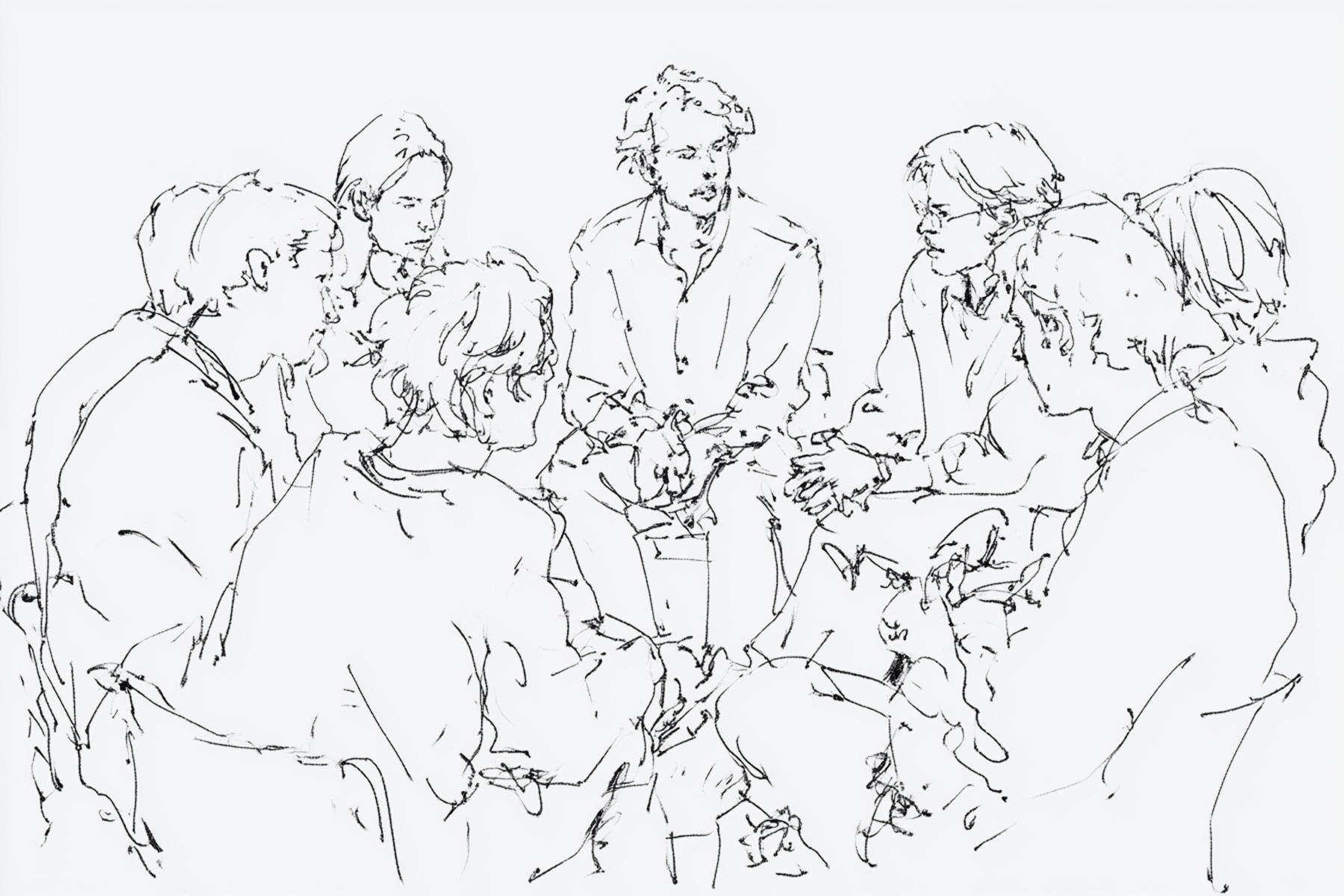
Design studies
Focus on materiality
Experimental compositions with a strong focus on materiality and expression. Especially in the age of digital surface fetishism and its haptic impoverishment. Conscious reduction to black and white, simple shapes and contrasts supported the investigation of rhythm, tension and visual compression.
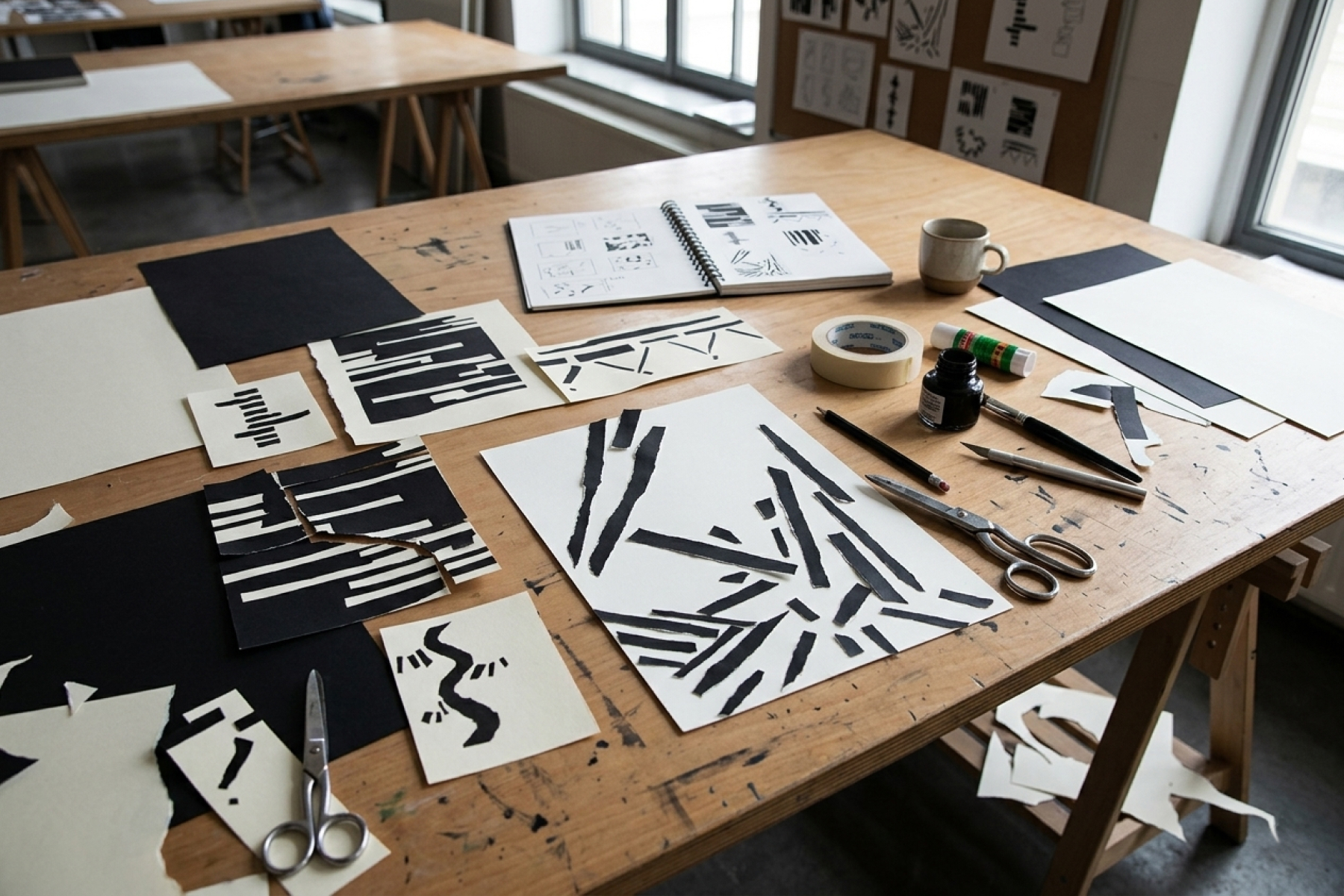
Tearing & Cutting
Mostly simple shapes like rectangles and circles made of black or white paper.

Use of images
Pre-printed black and white motifs are cut up, torn and rearranged.”

Free expansion
Analogue manipulations with ink up to enlarging the printer images for visible printing grids.

Design development
Select favorites and develop them further
As a team of two, the most interesting motifs and approaches from the previous process are selected and developed into a final design.

Preparation for printing
For the final design, a template for single-color printing and two templates for two-color printing are created.


Screen printing workshop
Experimental printing process
Material, color and technology ensure constantly new results. Chance and intention are balanced.

Sieve exposure
The design templates determine where color is allowed through or blocked.

Mix colors
Mix enough ink so that there are no interruptions during the printing process and the pores in the screen do not dry out.

Apply printing ink
The prepared screen is flooded and the ink is applied to the printing material with a squeegee.

Clean screens
After printing, ink residue is washed out so the screens can be reused for the next print run.
